October is ADHD Awareness Month

October is ADHD Awareness Month

At Heartfulness Psychotherapy, we’re celebrating the many ways ADHD minds think, feel, and create differently. ADHD is not a flaw—it’s a neurotype, part of the beautiful spectrum of human diversity.

Neurodiversity-affirming therapy begins with understanding that ADHD isn’t something to “fix,” but something to work with. It’s about learning how your brain is wired, honouring your strengths, and finding strategies that actually fit you.

When therapy is affirming, clients don’t have to mask, apologize, or squeeze into systems that weren’t designed for them. Instead, we explore self-compassion, emotional regulation, and executive function skills through curiosity and collaboration without shame or judgment.

This month (and every month), we celebrate ADHD brains for their creativity, sensitivity, and resilience. If you’re ready to understand your mind in a new way, we’re here to help you do just that.

Learn more about our ADHD therapy and coaching by booking a discovery call!

#ADHDAwarenessMonth #NeurodiversityAffirmingTherapy #ADHDCoaching #ADHDcoach #Neurodiversity #TraumaInformedCare #ADHDTherapy #MentalHealthAwareness #mentalhealth #mentalwellness #mentathealthmatters

Heartfulness Wellness Tools: Apollo Neuro

Key benefits observed and reported:

  • Helps shift mental, emotional, and physical states
  • Helps increase resilience to stress
  • Helps with falling asleep
  • Supports states of focus, calmness, sleep, energy, and transitions between states

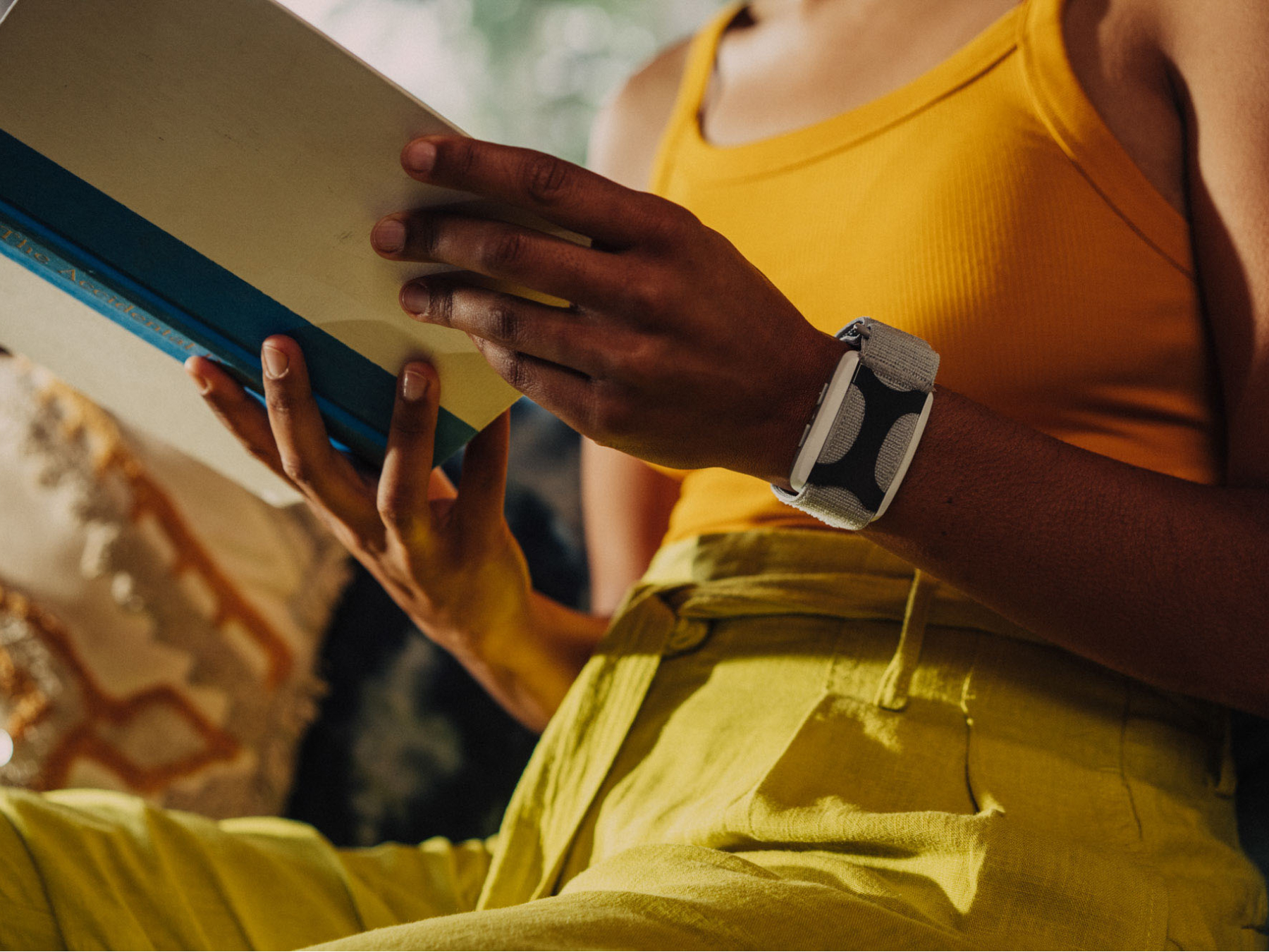
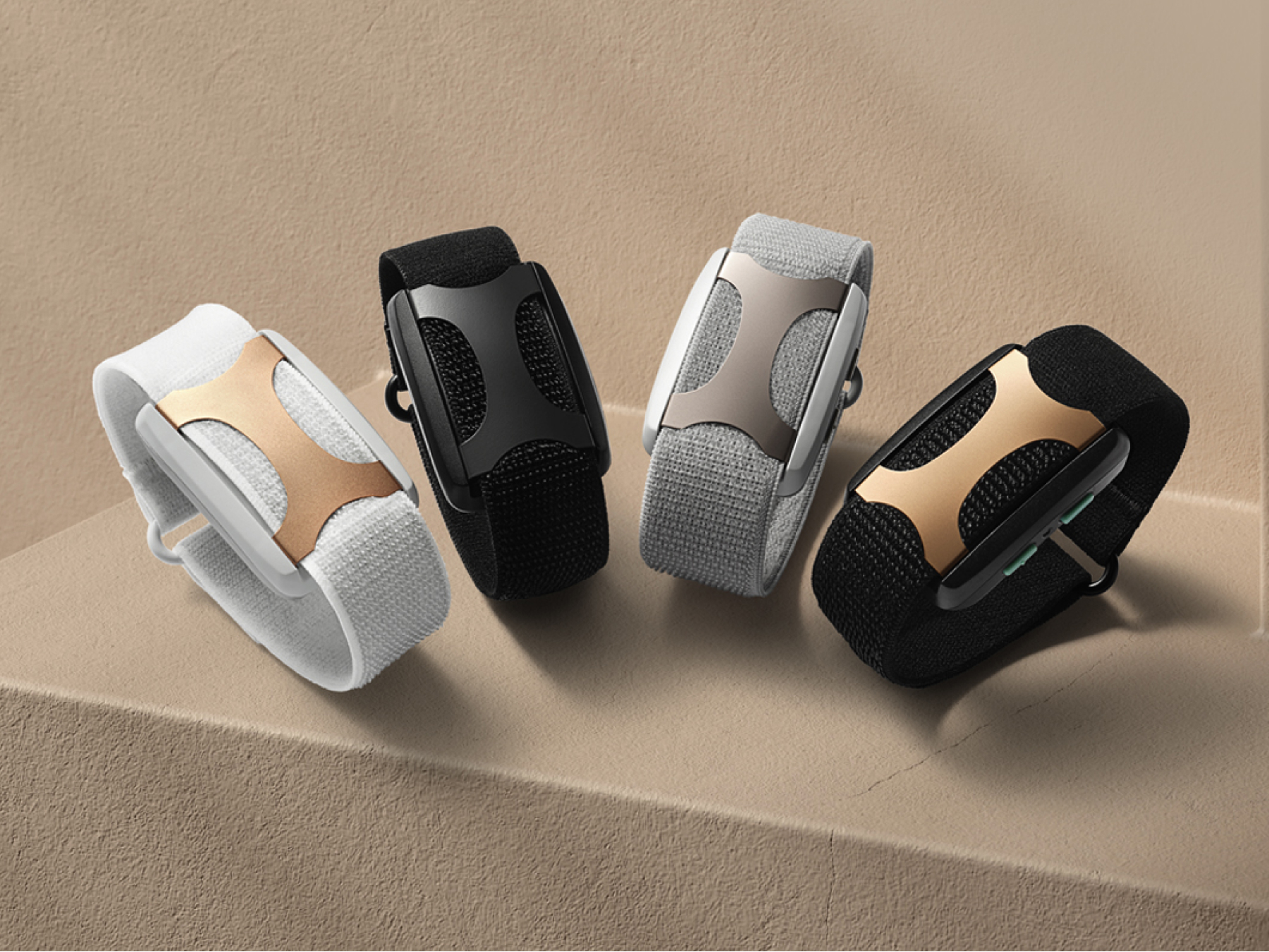
Apollo Neuro is a wearable device that is worn like a wristwatch or pager clipped onto your clothes (for those of you who still remember pagers!). The device provides different types of vibrational frequencies and is intended to use the body’s natural touch response to balance the nervous system and shift mental, emotional, and physical states. It is reported to be based on decades of independent scientific research on the benefits of vibration frequencies on the body and nervous system. This device may be especially helpful for individuals who have difficulty transitioning between different mental, emotional, and physical states (e.g., from wakefulness to sleepiness, sleepiness to alertness, unfocused to focused, under-activated or over-activated, etc.), which is why we feel it may be helpful for our clients.

Heartfulness Psychotherapy has partnered as an affiliate with Apollo Neuroscience, Inc. to offer you a discount on your purchase of an Apollo wearable wellness device because we’ve tried it and believe in its benefits. 

You can now sample Apollo’s vibes for free through the Apollo app.

Further information can be found here: 

https://apolloneuro.com

https://apolloneuro.com/pages/science

Get a discount of up to $60 here!

Reference:

Grace, R. (2020). New Wearable’s Vibrations Help Your Body Combat Stress: Apollo Neuroscience is using polycarbonate for its biocompatibility and durability. Plastics Engineering76(2), 38-40. https://go.gale.com/ps/i.do?id=GALE%7CA615531616&sid=googleScholar&v=2.1&it=r&linkaccess=abs&issn=00919578&p=AONE&sw=w&userGroupName=anon%7Ebd1d8bed&aty=open-web-entry

*The Apollo wearable is a consumer wellness device intended to help manage stress, challenging life transitions, and to promote a healthy lifestyle. Apollo Neuro is not intended to treat or cure any medical conditions and is not a substitute for professional medical care. These statements have not been evaluated by the United States Food and Drug Administration [FDA]. Individual results vary. Speak to your doctor if you have questions and to discuss solutions that may be appropriate for you. Heartfulness Psychotherapy is an affiliate of Apollo Neuro. By participating in the Program and/or using any of the affiliate promotional links, Apollo Neuroscience, Inc. may receive information from or about visitors to this website to track referrals. Please note that you are under no obligation to try this device. The decision to purchase the device is entirely up to you; you reserve the right to determine whether or not it may be a beneficial investment in your wellness

Heartfulness Wellness Tools: Red Light Therapy

Red Light Therapy

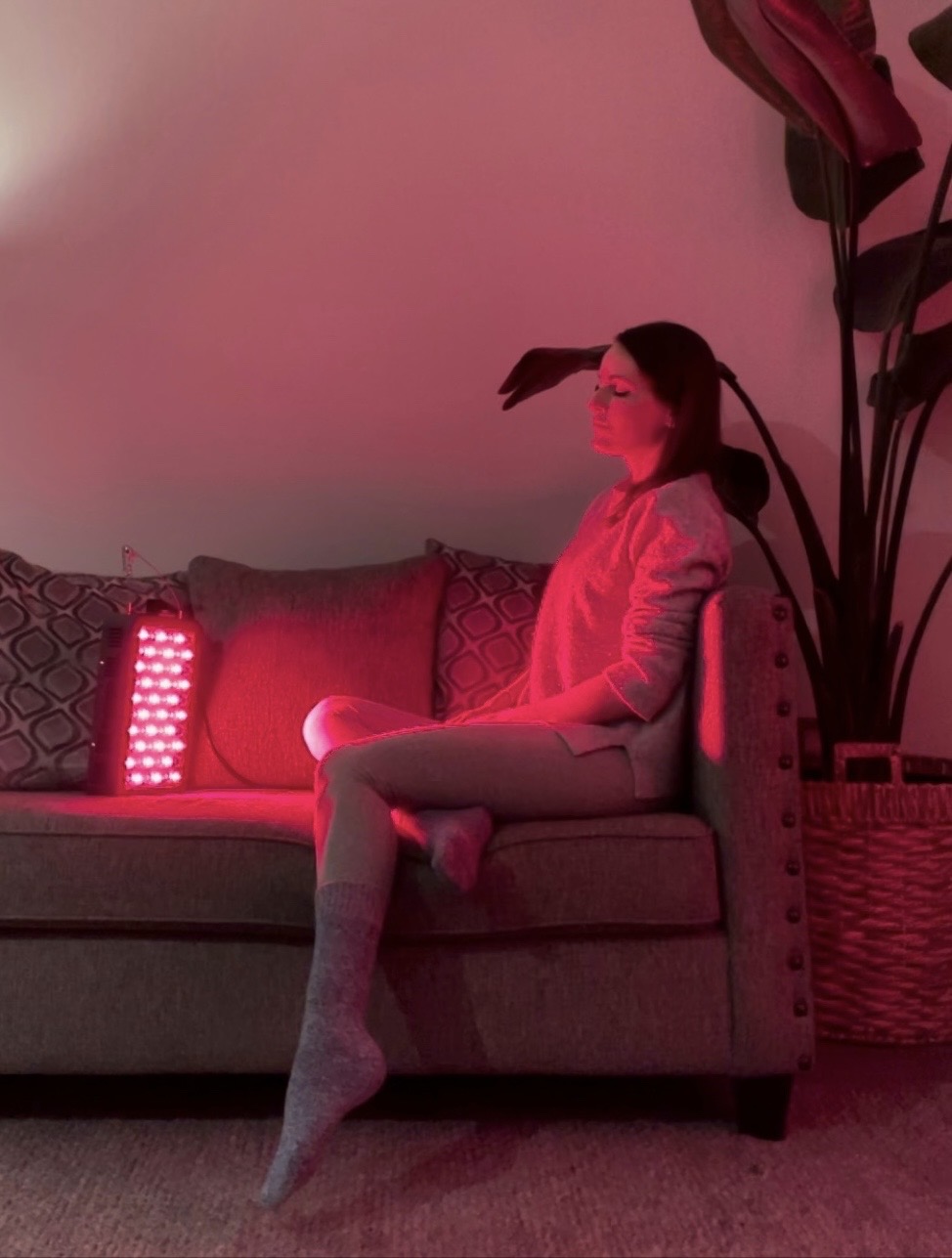
Did you know that the benefits of red light therapy were originally discovered by NASA?!5 Since then, low-level laser therapy (LLLT) or photobiomodulation, such as red and near infrared light, has become an increasingly mainstream scientific approach with therapeutic applications used in ophthalmology, neurology, psychiatry, and rehabilitation.2, 3 Research has found red light therapy (LLLT) to have a range of beneficial effects on cognitive functioning, wound healing, pain relief, inflammation, tinnitus, skin rejuvenation, acne, 4 hair (re)growth and alopecia, muscle fatigue and recovery, arthritis, mood disorders such as anxiety and depression, recovery from stroke, myocardial infarction, degenerative or traumatic brain disorders such as traumatic brain injury (TBI),1 sleep, fatigue, fibromyalgia,2 and inflammatory-related issues such as COVID long-haul. It’s beneficial properties have been associated with its effects on cerebral blood flow and cellular functioning, particularly mitochondrial function, enhancing neural metabolism and supporting nerve cells in the retina and brain and nervous tissue.3, 6 Red light therapy has received approval from the Food and Drug Administration (FDA). Red light therapy can be calming, healing, and has virtually no adverse side effects! 

Key benefits of red light therapy:

  • Improved cognitive functioning
  • Faster wound healing
  • Pain relief
  • Decreased inflammation
  • Beneficial for tinnitus
  • Skin rejuvenation, acne
  • Hair (re)growth & alopecia
  • Decreased muscle fatigue
  • Increased muscle recovery
  • Beneficial for arthritis
  • Decreases anxiety and depression6
  • Supports recovery from stroke
  • Supports recovery from myocardial infarction
  • Supports recovery from degenerative brain disorders1
  • Supports recovery from traumatic brain injury (TBI)1
  • Improved sleep
  • Decreased fatigue
  • Supportive for fibromyalgia
  • Circadian rhythm (sleep/wake cycle) regulation6
  • Reduced cellular oxidative stress
  • Neuroprotective effects on central nervous system diseases (i.e., Alzheimer’s, Parkinson’s, TBI, depression)6
  • Improved mitochondrial health and energy6

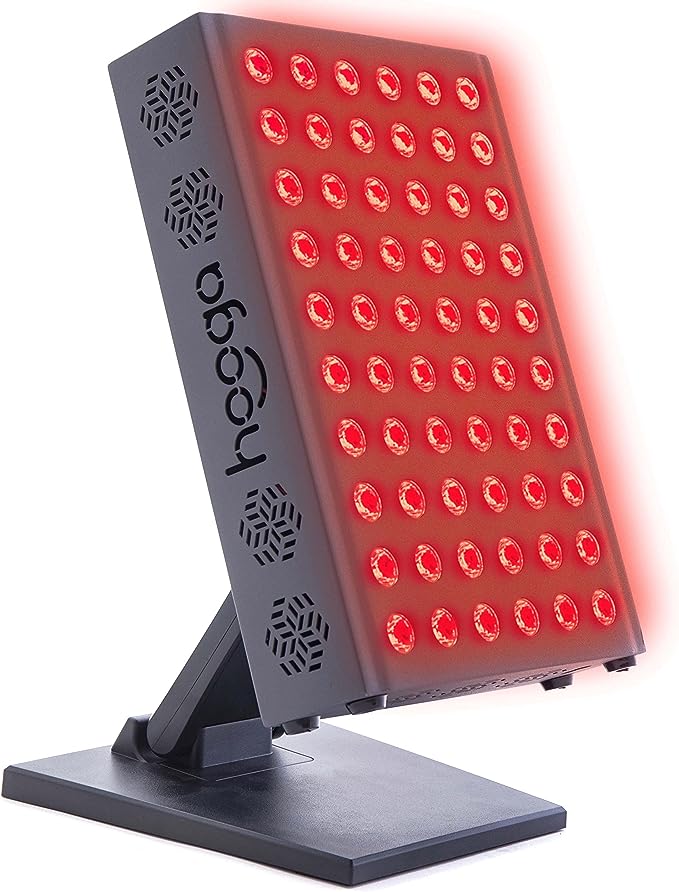
Heartfulness Psychotherapy has partnered as an affiliate with Hooga to offer you a 12% discount on your purchase of a Hooga red light because we’ve sampled their devices and believe in their benefits and quality.

Use the coupon code: HEARTFULTOOLS


1 Hashmi JT, Huang YY, Osmani BZ, Sharma SK, Naeser MA, Hamblin MR. Role of low-level laser therapy in neurorehabilitation. PM R. 2010 Dec;2(12 Suppl 2):S292-305. https://doi.org/10.1016/j.pmrj.2010.10.013

2 da Silva, M. M., Albertini, R., de Tarso Camillo de Carvalho, P., Leal-Junior, E. C. P., Bussadori, S. K., Vieira, S. S., … & Serra, A. J. (2018). Randomized, blinded, controlled trial on effectiveness of photobiomodulation therapy and exercise training in the fibromyalgia treatment. Lasers in medical Science33, 343-351. https://doi.org/10.1007/s10103-017-2388-2

3 Julio C Rojas & F Gonzalez-Lima (2011) Low-level light therapy of the eye and brain, Eye and Brain, 49-67. https://doi.org/10.2147/EB.S21391

4 Glass, G. E. (2021). Photobiomodulation: The Clinical Applications of Low-Level Light Therapy, Aesthetic Surgery Journal, Volume 41, Issue 6, June 2021, Pages 723–738, https://doi.org/10.1093/asj/sjab025

5 https://spinoff.nasa.gov/NASA-Research-Illuminates-Medical-Uses-of-Light

Shirkavand, A., Tavakoli, M. A., & Ebrahimpour, Z. (2023). A brief review of low-level light therapy in    depression disorder. Journal of Lasers in Medical Sciences14, e55.

*Hooga is a consumer wellness device intended to promote a healthy lifestyle. It is not a substitute for professional medical care. The statements made on the Hooga website have not been evaluated by the U.S. Food & Drug Administration (FDA). Hooga products are not intended to diagnose, treat, cure, or prevent any disease. Hooga products are low-risk, general wellness/fitness products that do not require FDA clearance. Of course, Hooga is just one of many commercial manufacturers on the market for your consideration. Speak to your doctor if you have questions and to discuss solutions that may be appropriate for you.


What is Mindfulness?

“Mindfulness is the awareness that emerges through paying attention on purpose, in the present moment, and nonjudgmentally, to things as they are.”  –Williams, Teasdale, Segal, & Kabat-Zinn

Mindfulness has its origins in ancient Buddhist teachings that have been practiced for centuries and recently secularized and integrated into Western clinical psychological and medical practices. In this context, it has garnered extensive research support for its efficacy in treating a number of clinical concerns over the last two decades. Mindfulness meditation is a central component of all mindfulness practices and therapies, such as Mindfulness-Based Cognitive Therapy and Mindfulness-Based Stress Reduction, originating from Vipassana or insight meditation. Mindfulness meditation emphasizes cultivating awareness in the present moment by focusing on one aspect of focus, such as one’s breath or noticing the physical sensations of sitting in a chair. It emphasizes the mindful attitudes of acceptance, curiosity, non-striving, and non-judgment, promoting mental skills that over time contribute to greater focus, compassion, self-awareness, self-regulation, objectivity, and quiescence, among other robust psychological and neurophysiological benefits.

Mindfulness-Based Cognitive Therapy (MBCT) integrates the foundational principles of mindfulness meditation with components of cognitive behaviour therapy, teaching participants to shift their relationship with difficult thoughts, emotions, behaviour, and physical sensations. Mindfulness is a skill that can be learned by anyone and takes time to practice and consolidate like any other acquired skill. Mindfulness meditation can be adapted to accommodate learners of all levels and mental styles, making it accessible to everyone.  

The Mind/Body Connection

Here are some discussions from recent graduate coursework…

What is your understanding or philosophy/beliefs of the mind/body connection?

I consider the brain and body to be one interconnected system. Our physiological functioning influences our conscious and subconscious mind, and vice versa. Research demonstrates that the vagus nerve is one physiological mechanism that facilitates bidirectional communication between the brain and body (Porges, 2018). With respect to the mind/body connection, our systems are intimately interconnected, with our thoughts being psychoactive in some respects and capable of altering neurochemistry, and our physiology also influencing our mental activity (Chopra, 2020). Studies in the neurobiology of trauma have revealed how conscious and subconscious traumatic memories and beliefs are uniquely stored in the left and right hemispheres of the brain respectively (Fisher, 2017), as well as in our physical bodies and bodily tissue (Ogden & Fisher, 2015), which illustrates this bidirectional mind/body connection. Such teachings in western evidence-based practices complement my studies in eastern yogic traditions which maintain similar fundamental beliefs. These perspectives inform my holistic view of the mind/body connection.

How might a person’s daily mental practices influence and/or affect their physical health and longevity?

The mental and physical activities we consistently practice grow respective neural and physiological systems to support such activities, which we now understand due to neuroplasticity (Shapiro, 2020). Mental activities, such as thoughts, can have psychoactive effects and can influence the release of neurotransmitters (Chopra, 2020), especially in cases of consistent mental events such as meditation or rumination. Research has demonstrated that mindfulness meditation positively influences neural mechanisms involved in attention and emotion regulation, awareness, memory, sensory integration, and executive cognitive functions (Lavretsky, 2020). Just as meditation can restore telomeres –the encasing of our genetic strands, thus having a protective, anti-aging effect, so too, rumination reduces the length of telomeres, thereby advancing the effects of cellular aging and increasing the risk of disease (Goldstein, 2020). Such findings reflect the impact mental events have on one’s physical health and longevity. Thus, mindfulness, “talk therapy,” and other healthy mental habits have the potential to be much more impactful than they may initially seem.

This appreciation of the mind/body connection influences my heartful approach to psychotherapy.

The Principle of Organicity: You Already Have the Answers Within You

In therapy, there is a theory called “the principle of organicity” which was introduced to me through my training in Sensorimotor Psychotherapy, developed by Dr. Pat Ogden. It is basically the scientific perspective that everything organisms do serves a natural adaptive function. Just as each living organism has its own unique intelligence, each client already has the answers they seek within them. Therapy offers a supportive environment to help clients uncover their own natural intelligence. This thinking is in line with Dr. Gabor Maté’s concept of recovery reflecting re-covering (or rediscovering) oneself, as well as Dr. Daniel Siegel’s imperative that the aim of therapy is to facilitate integration within oneself —to integrate aspects of one’s being that have been fragmented and disowned along the way. 

In this light, behaviours that are so frequently pathologized or morally shamed within our societies are seen as having some intrinsic adaptive value or natural intelligence, even if it’s not immediately apparent. The behaviour was likely a coping strategy that made sense within the circumstances at the time and have been since outgrown. When we think of human behaviour from this lens, judgment no longer seems to be relevant or sufficient; compassion, curiosity, acceptance, and understanding naturally follow. No matter how self-sabotaging or cruel our unhealthy habits may be, no “part” of ourself is unacceptable, and we come to thank each part for the survival purpose it served. 

Thus, the reason I am never shocked or appalled by disclosures clients make in therapy is because everything humans do and think makes sense in the right context of understanding. As such, I look forward to working with you from this lens and pointing out the adaptive ingenuity that lies within you! Remember, the antidote to shame is curiosity. Stay curious my friends. 

Coping with COVID

We are all under tremendous stress as our daily rhythms and routines –which so often organize and ground us—cease to exist, and we are left with trying to cope with unprecedented pressures. It’s safe to assume all of us are currently in some low- or high-grade form of a stress response (i.e. fight, flight, or freeze), which may vary depending on the stressor, the day, and the person. We all respond to stress in our own unique ways that help us regulate our systems. While some will binge on news updates, others will avoid them. Both responses make sense for the individual.

If we think about our evolutionary origins, we’ve inherited “a negativity bias.” Our ancestors successfully survived because they attended more to negative and anxiety-provoking dangerous stimuli. As such, researchers have found that it takes us twenty seconds to encode (and experience) positive events compared to those that are negative. Psychologist Dr. Rick Hanson has said that “the brain is like Velcro for negative experiences, but Teflon for positive ones.” This requires us to intentionally practice cultivating and savoring pleasant sensations, emotions, thoughts, and experiences.

Given the very real safety risks we’re facing and the constant medical and governmental directives to conscientiously attend to physical distancing and personal hygiene practices, it’s only natural to experience heightened anxiety as a side effect. Our survival instincts need to be on alert in order to keep these safety practices top of mind. These are new habits. They require some degree of hypervigilance to prevent them from slipping out of our conscious thinking. The trouble is, if we let this take over, we will be living in a constant state of elevated stress or anxiety, which could give rise to other problems like burnout, depression, or other symptoms of concern.

We are comprised of mental, emotional, physical, (and some believe spiritual) facets. I call these our “spidey senses.” We can’t exist solely in our mental part of being; it’s imbalanced and overlooks our other aspects. We need to practice attending to, nurturing, and being in our other facets of being. We need to acknowledge that our safety instincts and stress responses are there for a reason, but also practice giving ourselves permission to feel safe in our homes, in our bodies, and give ourselves time to be in the present moment. This is a silver lining that has arisen from the unfortunate circumstances. For once the world has slowed down and now that we’re not able to go out, we can go within. Here are some practices I hope you find supportive.

Self Check-Ins. Practice regular self “check-ins” throughout the day: How are you doing mentally, emotionally, physically, (spiritually)? 0-10, how activated are you? Consider setting a bell to remind you to check in periodically throughout the day. This insight gives you information about what you’re needing and how best to practice self-care and determine the course of your day.

Practice self-care. Nutrition; extra sleep; exercise; have a routine; take work breaks; tidy up; get some fresh air. Omega-3 fatty acids and probiotics have been found to support healthy brain health and parasympathetic nervous system function (the “rest and digest” relaxation response). Practice self-compassion (not pushing yourself too much if it doesn’t feel right). If you’re having a tough time, let the “bare minimum” effort be enough for the day. Start fresh tomorrow.

Practice grounding. Yoga; chi-gong; meditation; stretching; breathing; hold a grounding stone; sit on the ground. Come into your five senses. Notice things you hear, see, smell, taste, and feel in the space around you.

Be Mindful of What You Take In. Anxiety is contagious. Keep a “low trauma diet” of stress-inducing content. Limit your exposure to news, COVID-related content, and social media. Be mindful of how much you interact with loved ones who are highly anxious or reactive and set personal limits. Give yourself permission to take time to yourself. Take breaks from thinking about it all. Limit your consumption of psychoactive substances, such as alcohol, tobacco, cannabis, and caffeine that can exacerbate worry, agitation, or low mood.

Use Positive Psychology to Your Benefit. Research on stress mindset theory shows that having a “stress-is-enhancing” (vs. “stress-is-debilitating) mindset can powerfully increase positive emotions, positive thought patterns, and growth hormones. This is an example of how our minds and bodies are intimately connected. It turns out there really is something to seeing the glass half-full.

Focus on what you can control. Keep lists to help you stay on track and remember supportive resources and healthy distracting activities when you need them.

Practice creativity. Tapping into the right hemisphere of your brain can offer a needed break from the constant worry and analytics produced from the left, “logical” side of the brain.

Let it go. Dance! Sing! Laugh! Let yourself cry when you need to. Research has shown that humming and mantra chanting help activate the parasympathetic nervous system (for relaxation), as does laughter, intermittent fasting, massage, sleeping on your right side, taking cold showers, and immersing your face in cold water.

Be kind. Get in touch with loved ones. Share your appreciation for them. Help others when you can. Spend time with pets. Although it can feel like a lonely and isolating time, you may notice that when you make the effort to reach out, others’ love and care is more palpable than ever.

Internal Island of Calm

Bring your awareness inwards and notice what sensations are present in your body. See if you can find an area of calmness or neutrality in your body. It may be in a small part of you that doesn’t feel much, just neutral. It may be a sensation of comfort or relaxation in your pinky toe or eyelid. You may find it in a different spot within you each time. Notice what happens when you sink your awareness into that place of stillness inside you.

Does anything inside you shift?

What is it like to notice that much of your body can feel tense and uncomfortable, yet this tiny area of comfort remains a place you can rest your awareness?

Can you connect to that inner place of calmness throughout the day?

Gratitude for Safety & Support

In these moments, remind yourself of the ways you are safe. Allow yourself to feel safe in your home, in your body, in your city, in your country. Feel yourself empathetically connected to so many people around the world experiencing this together. So many people working for the same cause of maintaining safety and wellness. Those working hard to supply the essentials you need. So many people with kind intentions willing to offer their support. Feel your shared humanity. Cultivate an appreciation for the subtle aspects of magic all around you –the technology that allows you to connect remotely with loved ones and feel a part of an online exercise community. Allow yourself to appreciate these aspects of safety and support around you.

 

Why Psychotherapy?

“Our brains are extremely social.” We have extensive cortical regions and networks dedicated to what neuroscientists refer to as “the social brain.” “How one brain interacts with another has important effects on how the brain functions…We can come to believe this view not because we are therapists and we believe in this idea; this scientifically validated perspective is true because of evolution…Social interactions are one of the most powerful forms of experience that help shape how the brain gives rise to the mind” (Daniel Siegel). “Attachment science tells us that we are as human beings essentially relational and emotional beings; so then the most powerful way to grow as human beings is to go into that relational emotional channel… and create new experiences that help us learn to regulate our emotions differently; engage with others differently; help us learn to put together our inner reality in a more coherent and positive way” (Sue Johnson). Interpersonal connection through psychotherapy can have profoundly healing and corrective affects on our neurobiology. We’re a social species. 

Why Our Parents Influence Our Relationships Whether We Like it or Not

Have you ever sworn never to be like your parents only to find yourself replicating some embarrassing mannerism your parents do? Maybe you let a dad joke slip, or picked up one of your mom’s habits? You’re not alone; it happens to the best of us –er, actually, all of us. (Fun fact: did you know studies show dad jokes are actually funnier when you follow them up with prerecorded laughter? Anyways, I digress…)

We’re social creatures and have evolved by surviving and thriving in social contexts for hundreds of thousands of years. Because of this, a vast amount of our brain centres are dedicated to processing socially relevant information. In fact, neuroscientists refer to this circuitry as the “social brain,” which encompasses neurological regions responsible for helping us experience others through our senses, recognize and interpret facial expressions, and predict social behavior (largely through our emotions). All of these brain systems begin to come online in early childhood, when our brains are most rapidly developing and being shaped by our environments, a big part of which is usually comprised of our parents!

Because our ancestors started walking upright, which shifted our anatomy, human heads need to be small enough to fit through the birth canal, so a great deal of our brain development and the cortical shaping that will influence us for the rest of our lives, happens outside the womb during our first years of life. Since we’re among the most immature species at birth, we have an innate (survival) need for caregivers. This is why there are built in biological functions like bonding hormones oxytocin –often referred to as the “love hormone”— which gets released during hugging, kissing, sex, childbirth, and breastfeeding. These processes are all natural instincts to foster strong attachments and survival and the nature of our early relationships is thought to shape our attachment style later in life.

Research has shown that the dynamics of one’s attachment with their primary caregiver(s) is the basis of one’s “attachment style,” which greatly influences their behavior in subsequent significant relationships. This is most prominent in romantic relationships, as we learn how to love from our relationship with our parents. Children are also little sponges in that they absorb everything around them, and quickly learn social and cultural norms (e.g. such as gender roles, habits of daily life, emotion regulation, patience/impatience, communication patterns –criticism or compassion, how to argue, how to apologize/or not, etc.) from what their parents model to them (ever notice how fast your kids pick up your unintentional profane slip of the tongue?). Children closely observe their parents’ relational dynamics, which forms the basis of what they know to be normal in relationships. This social shaping, coupled with the child’s attachment style, forms a “relationship template” that they subconsciously go out and seek to replicate in other relationships. Actually, the “chemistry” in romantic relationships has been attributed to this process of relational reenactment, or finding similar relational conditions to what you grew up accustomed to. It’s been said that the greater the chemistry, the more comfortable and familiar the person is to you, and the more likely they are to be like your primary caregiver(s) in some subconscious way, usually in terms of attachment style. If you’ve ever wondered where your tastes and habits in relationships come from, learning your attachment style might be a good place to start (check out a self-assessment quiz at https://www.psychalive.org/what-is-your-attachment-style/ ). You often have your parents to thank in some part!